
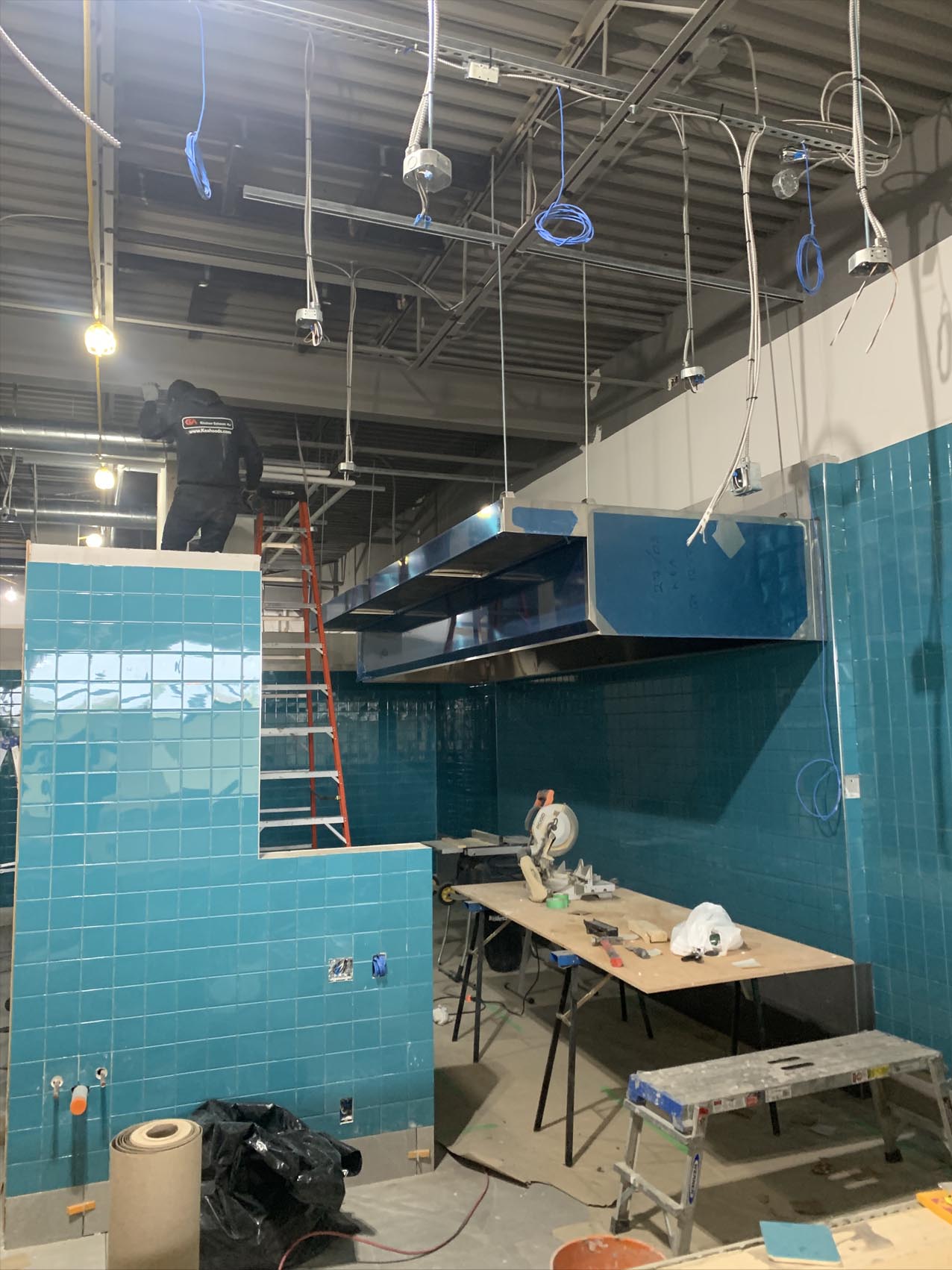
Efficient ventilation is the backbone of any commercial kitchen, safeguarding food quality, employee safety, and compliance with health regulations. With the rise of high-volume cooking operations, selecting the right ventilation solution has become a strategic decision rather than a simple afterthought. This article explores the most effective commercial kitchen ventilation systems, outlines key considerations for design and installation, and provides actionable guidance for maintaining optimal performance over the long term.
Why Proper Ventilation Matters
Commercial kitchens generate heat, steam, smoke, grease, and airborne contaminants at a rate that far exceeds residential cooking spaces. Inadequate ventilation can lead to:
- Excessive temperature buildup, reducing equipment lifespan.
- Accumulation of grease particles, increasing fire risk.
- Poor indoor air quality, affecting staff health and productivity.
- Non-compliance with local fire and health codes, resulting in costly fines.
Investing in a robust ventilation system not only mitigates these risks but also improves energy efficiency and overall operational flow.
Core Types of Commercial Kitchen Ventilation Systems
1. Traditional Hood & Duct Systems
These are the most common solutions, consisting of a capture hood, a grease filter, and a ductwork network that exhausts air outside the building.
- Capture Hood: Designed to trap smoke and steam directly above cooking appliances.
- Grease Filters: Usually made of stainless steel or aluminum; require regular cleaning.
- Ductwork: Must be sized correctly to maintain proper airflow velocity.
For detailed design guidelines, Discover expert strategies here.
2. Recirculating (Recirculation) Systems
Ideal for buildings where exterior exhaust is impractical, these systems filter and recirculate air back into the kitchen.
- Utilize high-efficiency particulate air (HEPA) filters and carbon filters to remove odors.
- Require periodic filter replacement to maintain performance.
- Often paired with supplemental make-up air units to balance pressure.
To understand when recirculation is appropriate, Learn about our tailored solutions.
3. Energy-Recovering Ventilation (ERV) Systems
ERV units capture waste heat from exhaust air and transfer it to incoming fresh air, reducing heating and cooling loads.
- Provide significant energy savings in climates with extreme temperature variations.
- Maintain indoor humidity levels, which is crucial for food safety.
- Require careful integration with existing HVAC infrastructure.
More on the energy benefits can be found in the Explore advanced guides and tips.
Key Design Considerations
Choosing the right system involves evaluating several variables that influence both performance and cost.
- Cooking Load: Determine the BTU output of all appliances to size hoods and fans appropriately.
- Kitchen Layout: Open-plan designs may need multiple capture points to avoid dead zones.
- Building Codes: Local fire codes often dictate minimum exhaust velocities and filter maintenance schedules.
- Make-up Air: Properly balanced intake prevents negative pressure that can draw smoke back into the cooking area.
- Noise Levels: Fan selection and duct insulation affect acoustic comfort for staff and patrons.
Installation Best Practices
Even the most sophisticated system will underperform if installed incorrectly. Follow these best practices to ensure a smooth rollout:
- Engage a certified ventilation engineer to perform a comprehensive airflow analysis.
- Use insulated, smooth-walled ductwork to minimize friction loss.
- Install access panels at strategic points for easy filter cleaning and inspection.
- Integrate fire suppression components directly into the hood and duct system.
- Coordinate with HVAC contractors to synchronize exhaust and make-up air flows.
For a step-by-step installation checklist, Find out more about this approach.
Maintenance & Compliance
Regular upkeep is essential to keep ventilation systems operating safely and efficiently.
- Filter Cleaning: Grease filters should be inspected weekly and cleaned at least monthly, depending on usage.
- Fan Inspection: Check motor bearings and belts quarterly to prevent unexpected downtime.
- Duct Cleaning: Schedule professional cleaning annually to remove accumulated grease buildup.
- Record Keeping: Maintain logs of all maintenance activities to demonstrate compliance during inspections.
- System Audits: Conduct performance audits every 2-3 years to identify opportunities for upgrades.
Future-Proofing Your Kitchen
As culinary trends evolve, ventilation systems must adapt to new equipment and cooking techniques.
- Consider modular hood designs that can be reconfigured for different cooking stations.
- Invest in smart control panels that monitor airflow, temperature, and filter status in real time.
- Explore hybrid systems that combine exhaust and recirculation capabilities for maximum flexibility.
Staying ahead of industry advancements ensures long-term reliability and can contribute to sustainability goals.
Conclusion
Selecting the right commercial kitchen ventilation solution is a balance of safety, efficiency, and regulatory compliance. By understanding the core system types, applying rigorous design criteria, and committing to disciplined maintenance, kitchen operators can protect their staff, preserve food quality, and reduce operational costs. For deeper insights and up-to-date resources, continue to explore the extensive material available at the industry’s leading knowledge hub.
