
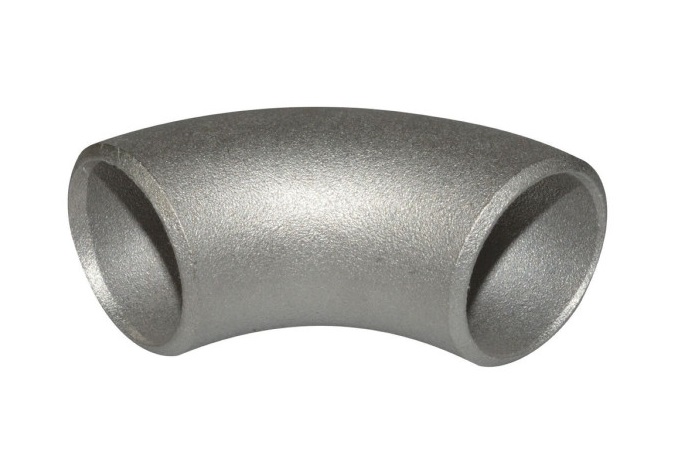
In modern process piping systems, the reliability of every component directly influences safety, efficiency, and operational cost. Among the myriad fittings that connect pipelines, the stainless steel welding elbow stands out as a pivotal element. Its ability to change flow direction while maintaining structural integrity makes it indispensable across industries such as chemical processing, food & beverage, pharmaceuticals, and oil & gas. Understanding the design, material selection, and installation best practices of this component is essential for engineers and procurement specialists aiming to optimize system performance.
Why Stainless Steel Is the Preferred Material
Stainless steel offers a unique combination of properties that are especially valuable in demanding environments:
- Corrosion resistance: High-grade alloys (e.g., 304, 316L) form a passive chromium oxide layer that protects against aggressive chemicals and seawater.
- Temperature tolerance: Capable of withstanding temperatures from cryogenic levels up to 600 °C, depending on the alloy.
- Mechanical strength: Excellent tensile and yield strength ensure the elbow can endure internal pressure spikes.
- Hygienic surface: Smooth, non-porous finishes meet strict sanitary standards for food and pharma applications.
Design Features of a Quality Welding Elbow
Engineered to meet international standards (ASME B16.9, EN 10253, ISO 5759), a high-quality elbow incorporates several critical design elements:
Radius and Angle Options
- Standard bend angles: 45°, 90°, and 180°.
- Long-radius (LR) and short-radius (SR) options for space-constrained layouts.
End Connections
- Butt-weld ends provide a seamless, leak-free joint when properly welded.
- Socket-weld ends are useful for smaller diameters and high-pressure service.
Surface Finish
- Pickled and passivated (P&P) finish for maximum corrosion protection.
- Mirror-polished finish for sanitary applications.
Installation Best Practices
Proper installation maximizes the performance and lifespan of a stainless steel welding elbow. Follow these guidelines:
- Preparation: Clean all mating surfaces to remove oil, scale, and debris.
- Fit-up alignment: Use alignment tools to ensure the elbow’s centreline matches the adjoining pipe.
- Welding procedure: Adopt the appropriate welding process (GTAW/TIG or GMAW/MIG) based on material thickness and service conditions.
- Post-weld inspection: Conduct radiographic or ultrasonic testing to detect internal defects.
- Heat treatment: Apply stress-relief annealing when required by the design code.
Performance Considerations in Specific Industries
Chemical Processing
Corrosive acids and bases demand elbows fabricated from 316L or duplex stainless steel. The material’s resistance to pitting and crevice corrosion prevents premature failure.
Food & Beverage
Sanitary standards (3-A, FDA) require smooth interior surfaces and hygienic welding practices. A stainless steel welding elbow with a mirror finish eliminates bacterial harborage sites.
Oil & Gas
High-pressure, high-temperature service calls for elbows that meet stringent ASME ratings. Selecting an appropriate schedule and performing rigorous NDE (non-destructive examination) ensures compliance with safety regulations.
Maintenance and Inspection Strategies
Even the most robust elbows benefit from a proactive maintenance program:
- Schedule visual inspections for signs of corrosion, cracking, or deformation.
- Implement periodic ultrasonic thickness measurements to monitor wall loss.
- Replace elbows that exceed allowable wear limits or show fatigue cracks.
Choosing the Right Supplier
When sourcing a stainless steel welding elbow, consider the following criteria:
- Certification: Verify compliance with relevant standards (ISO 9001, ASME, EN).
- Traceability: Ensure material test reports (MTRs) are available for each batch.
- Technical support: Access to engineering assistance for custom radii or special alloy requirements.
- Lead time and logistics: Evaluate production capacity and shipping reliability.
Conclusion
The stainless steel welding elbow is more than a simple pipe fitting; it is a critical component that safeguards the integrity of complex process pipelines. By selecting the appropriate material grade, adhering to precise design standards, and following best-practice installation and maintenance procedures, engineers can ensure long-term, trouble-free operation. Investing in high-quality elbows from reputable manufacturers ultimately reduces downtime, minimizes maintenance costs, and upholds the stringent safety and quality standards demanded by today’s industrial sectors.
