
In competitive sport and everyday training, the gap between good and great often hinges on how effectively the body is fueled. While training protocols, recovery routines, and mindset are all critical, nutrition remains the foundation upon which performance is built. Proteins and targeted supplements have emerged as essential tools for athletes seeking to enhance strength, endurance, and recovery. This article explores how these nutrients work, the science behind their benefits, and practical ways to incorporate them into a balanced sports-nutrition plan.
Understanding Protein: The Building Block of Athletic Success
Protein supplies the amino acids necessary for muscle repair, growth, and metabolic regulation. For athletes, the timing, type, and quantity of protein can influence training adaptations and injury prevention.
Key Functions of Protein in Sports
- Muscle Protein Synthesis (MPS): Stimulates the creation of new muscle fibers after resistance training.
- Repair of Micro-Tears: Addresses the microscopic damage caused by high-intensity workouts.
- Hormonal Balance: Supports the production of hormones such as insulin and growth hormone that are vital for energy utilization.
- Immune Support: Provides glutamine and other amino acids that help maintain immune function during heavy training cycles.
Choosing the right protein source, whether whey, casein, soy, or pea, depends on digestibility, amino-acid profile, and personal dietary preferences. For example, whey protein is rapidly absorbed, making it ideal post-workout, while casein releases amino acids slowly, supporting muscle maintenance overnight.
Strategic Supplementation: Enhancing Performance Beyond Food
Supplements are not a replacement for whole foods but can fill nutritional gaps and provide performance-boosting compounds that are difficult to obtain in sufficient amounts from diet alone.
Core Supplements for Athletes
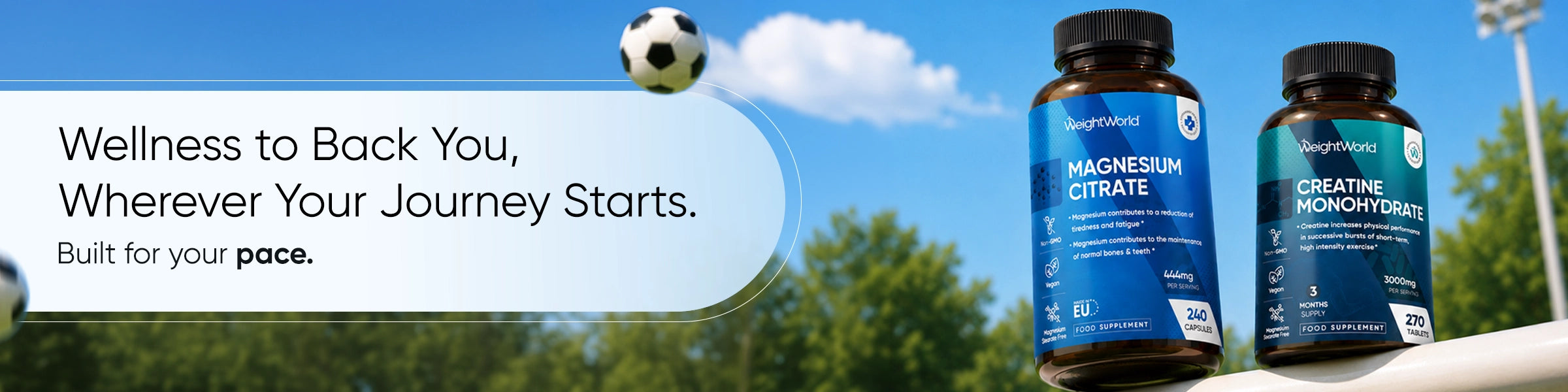
- Creatine Monohydrate: Increases phosphocreatine stores, improving short-burst power and supporting repeated high-intensity efforts.
- Beta-Alanine: Buffers muscle acidity, delaying fatigue during sustained high-intensity exercise.
- Branched-Chain Amino Acids (BCAAs): May reduce muscle soreness and promote MPS when taken around training sessions.
- Electrolyte Blends: Replenish sodium, potassium, and magnesium lost through sweat, maintaining hydration and nerve function.
- Vitamin D & Omega-3 Fatty Acids: Support bone health, inflammation control, and overall recovery.
When selecting supplements, look for third-party tested products to ensure purity and potency. The breadth of options can be explored at reputable retailers that specialize in sports nutrition, such as Discover expert strategies here.
Integrating Protein and Supplements into a Daily Plan
A systematic approach to nutrition maximizes the benefits of both protein and supplements. Below is a sample schedule that aligns nutrient timing with typical training routines.
Sample Daily Timeline
- 07:00 – Pre-Workout Meal: 20-30″?g of fast-digesting protein (e.g., whey shake) plus a small carbohydrate source for energy.
- 09:30 – Post-Workout Recovery: 30-40″?g of protein within 30″?minutes, paired with 5″?g of creatine and a carbohydrate-rich fruit.
- 12:30 – Lunch: Balanced meal with lean protein (chicken, fish, or plant-based), complex carbs, and vegetables.
- 15:00 – Mid-Afternoon Snack: BCAA supplement or a protein-rich snack to sustain amino-acid availability.
- 18:30 – Evening Training (if applicable): Light protein source (casein) and beta-alanine supplement 30″?minutes prior.
- 21:00 – Pre-Sleep: 20″?g of casein protein to provide a steady release of amino acids overnight.
Adjust portion sizes based on body weight, training intensity, and individual goals. For personalized guidance, Learn about our tailored solutions that align with specific sport demands.
Science-Backed Benefits of Optimized Protein & Supplement Use
Research consistently demonstrates measurable performance gains when athletes meet their protein targets and incorporate evidence-based supplements.
- Strength Increases: Studies show an average 5-10″?% improvement in maximal strength when protein intake exceeds 1.6″?g/kg body weight combined with creatine supplementation.
- Endurance Enhancements: Beta-alanine supplementation can extend time-to-exhaustion by up to 15″?% during high-intensity interval training.
- Recovery Speed: Post-exercise protein combined with electrolytes reduces perceived muscle soreness by 20-30″?%.
- Body Composition: Adequate protein supports lean mass retention while facilitating fat loss during calorie-restricted phases.
These outcomes underscore why elite athletes and coaches prioritize precise nutrition strategies. For deeper insights into the mechanisms, Explore advanced guides and tips that break down the latest research.
Practical Tips for Maximizing Results
- Track daily protein intake using a nutrition app to ensure targets are met.
- Rotate protein sources to obtain a full spectrum of essential amino acids.
- Stay consistent with supplement timing; benefits are cumulative.
- Combine supplementation with adequate hydration and sleep for optimal recovery.
- Periodically reassess needs as training volume, goals, and body composition change.
Implementing these habits creates a sustainable framework that supports both short-term performance spikes and long-term athletic development.
Conclusion
Proteins and scientifically validated supplements form a synergistic partnership that can elevate athletic performance, accelerate recovery, and protect against injury. By understanding the roles of each nutrient, selecting high-quality products, and integrating them strategically into daily routines, athletes can unlock their full potential. For those seeking a comprehensive selection of sport-focused nutrition options, Find out more about this approach and explore the resources that align with rigorous training demands.
