
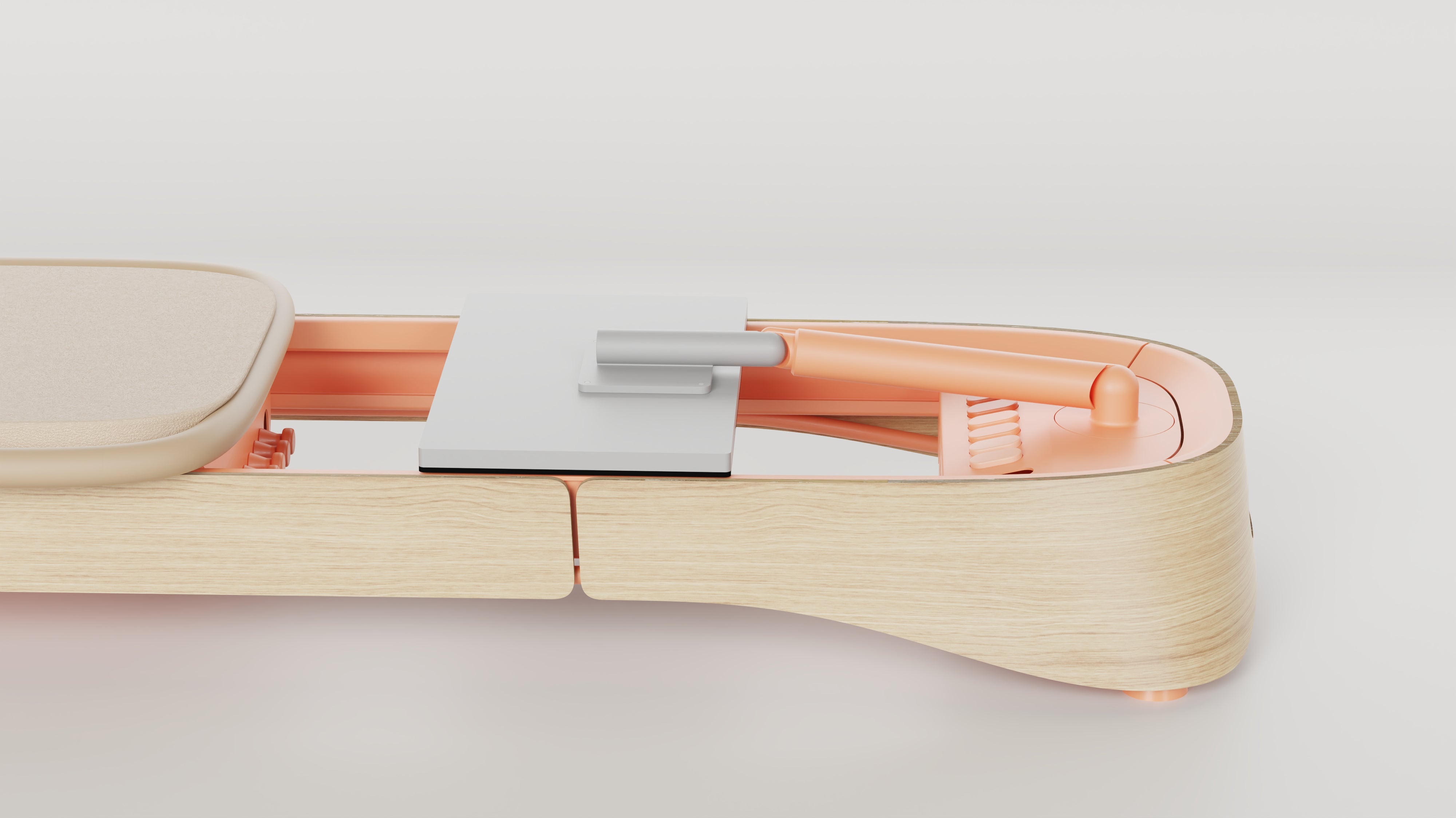
Investing in a Pilates reformer for home use can transform a living space into a dedicated wellness studio. The cost of a Pilates machine varies widely based on brand reputation, build quality, features, and accessories. Understanding the price spectrum helps set realistic expectations and ensures that the chosen equipment aligns with both budget constraints and performance goals. Below is a comprehensive breakdown of the factors influencing cost, typical price ranges, and considerations for making an informed purchase.
Understanding the Price Spectrum
Entry-Level Models ($500-$1,200)
These machines are designed for beginners or occasional users. They typically feature a basic frame, simple pulley systems, and limited adjustability.
- Aluminum or lower-grade steel frames
- Standard carriage with basic spring resistance
- Minimal accessories (e.g., basic footbar, simple headrest)
For a reliable starter, Discover expert strategies here can guide selection of models that balance cost with durability.
Mid-Range Reforms ($1,200-$3,000)
Mid-range options add refined engineering, smoother glide mechanisms, and more customization.
- Heavy-duty steel frames with reinforced joints
- Adjustable spring stacks or magnetic resistance
- Enhanced ergonomics: padded carriage, adjustable headrests, and footbars
- Optional accessories: Pilates tower, box, or additional springs
To explore models that offer professional-grade performance without a commercial-studio price tag, Learn about our tailored solutions provides useful insights.
Premium & Commercial-Grade Systems ($3,000-$8,000+)
These machines are built for intensive daily use, offering the smoothest motion, longest lifespan, and the most comprehensive feature sets.
- Full-size, welded steel frames with precision engineering
- Advanced resistance systems (dual spring/magnetic or hydraulic)
- Integrated digital consoles for tracking workouts
- Extensive accessory kits: ladders, straps, cardio pedals, and more
- Warranty periods often exceeding five years
For an in-depth look at high-performance reformers, Explore advanced guides and tips offers detailed specifications and user feedback.
Key Cost Drivers
- Frame Material: Aluminum reduces weight and cost, while steel adds stability and longevity.
- Resistance Mechanism: Spring stacks are economical; magnetic or hydraulic systems increase price but provide smoother, quieter operation.
- Adjustability: Multi-position carriages, detachable footbars, and customizable spring tension raise both utility and expense.
- Accessories: Bundled kits (tower, box, straps) can add $200-$800 to the base price.
- Brand Reputation: Established manufacturers often command premium pricing due to proven quality and support.
Additional Expenses to Consider
Shipping & Installation
Large reformers may require freight shipping and professional assembly. Expect $150-$400 for delivery, plus potential assembly fees of $100-$250.
Maintenance & Replacement Parts
Regular maintenance, lubricating rails, tightening bolts, and replacing worn springs, helps extend lifespan. Budget $50-$150 annually for consumables.
Space Preparation
Ensuring a stable, level floor may involve purchasing protective mats or reinforcing flooring, typically $50-$200.
Cost-Benefit Analysis: Is a Home Reformer Worth It?
When evaluating the investment, weigh the following factors:
- Frequency of Use: Daily practitioners benefit most from higher-end models.
- Space Availability: Compact, fold-away designs can reduce cost and footprint.
- Long-Term Savings: A home reformer eliminates recurring studio fees, which often total $50-$150 per month.
- Health Goals: Targeted rehabilitation or athletic training may justify premium features.
For a practical comparison of long-term savings versus upfront cost, Find out more about this approach provides calculators and case studies.
Tips for Making a Smart Purchase
- Read verified user reviews to gauge real-world durability.
- Test the machine in a showroom if possible; feel the glide and resistance.
- Confirm warranty length and what components are covered.
- Consider bundled accessory packages that match your training style.
- Check return policies, especially for online purchases.
Conclusion
The price of a Pilates machine for home use ranges from modest entry-level options to robust commercial-grade systems. By understanding the core cost drivers, frame material, resistance type, adjustability, and accessories, buyers can align their investment with personal fitness goals and budget constraints. Factoring in ancillary expenses such as shipping, assembly, and maintenance ensures a realistic total cost of ownership. With careful research and consideration of long-term benefits, a home reformer can become a valuable, enduring component of a healthy lifestyle.
