
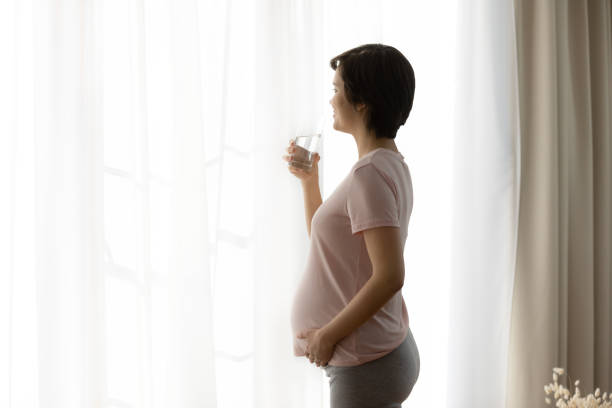
Dehydration in pregnancy is a serious concern that can have severe consequences for both the mother and the unborn child. According to various studies, dehydration in pregnancy dehydration in pregnancy can lead to a range of complications, including preterm labor, low birth weight, and even stillbirth.
One of the primary causes of dehydration in pregnant women is inadequate fluid intake. This can be due to various factors, including morning sickness, which can lead to a decrease in appetite and a subsequent decrease in fluid consumption. Additionally, some women may experience a decrease in their sense of thirst, making it more difficult to detect dehydration.
Risks Associated with Dehydration in Pregnancy
Dehydration in pregnancy can have severe consequences for both the mother and the unborn child. Some of the potential risks include:
- Preterm labor: Dehydration can cause the uterus to contract, leading to preterm labor and potentially resulting in a premature birth.
- Low birth weight: Dehydration can cause the baby to be born with a low birth weight, which can increase the risk of health complications.
- Stillbirth: In severe cases, dehydration can even lead to stillbirth.
Safe Prevention Strategies for Moms
Fortunately, dehydration in pregnancy can be prevented with a few simple strategies. One of the most effective ways to prevent dehydration is to drink plenty of fluids throughout the day. This can include water, clear broths, and electrolyte-rich beverages such as coconut water.
In addition to staying hydrated, it is also essential to monitor urine output. If the urine is dark yellow or amber in color, it may be a sign of dehydration. Additionally, if the woman experiences dizziness, headaches, or fatigue, it may be a sign that she needs to drink more fluids.
Electrolyte-Rich Beverages
Electrolyte-rich beverages can be particularly beneficial for pregnant women who are at risk of dehydration. These beverages can help to replace lost electrolytes and prevent dehydration. Some examples of electrolyte-rich beverages include:
- Coconut water: Coconut water is a natural source of electrolytes and can be consumed throughout the day to help prevent dehydration.
- Clear broths: Clear broths, such as chicken or vegetable broth, can be consumed to help replenish lost electrolytes.
- Electrolyte-rich sports drinks: Some electrolyte-rich sports drinks, such as Gatorade or Powerade, can be consumed to help prevent dehydration.
In conclusion, dehydration in pregnancy is a serious concern that can have severe consequences for both the mother and the unborn child. By staying hydrated and monitoring urine output, pregnant women can reduce their risk of dehydration and ensure a healthy pregnancy. For more information on dehydration in pregnancy, visit dehydration in pregnancy to learn more.
