
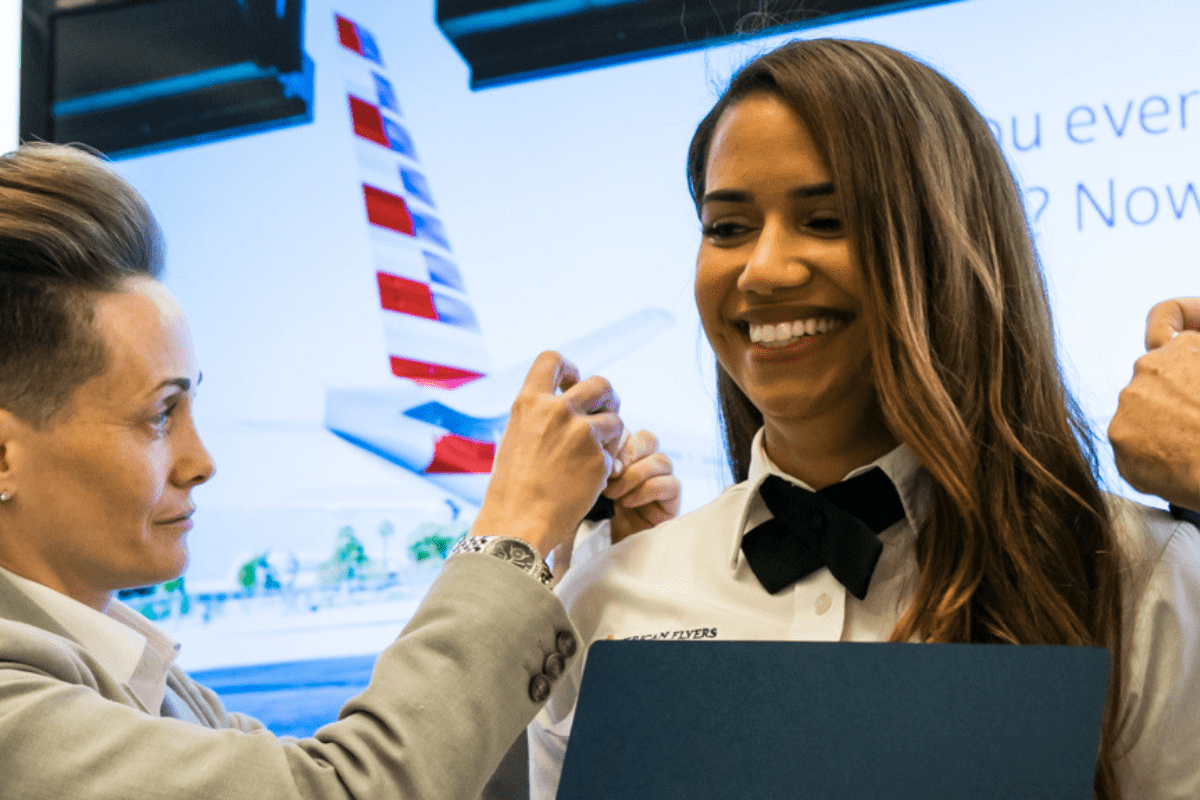
Choosing a career in aviation demands rigorous training, disciplined study, and access to state-of-the-art resources. Modern pilot education blends classroom theory with hands-on flight experience, ensuring that graduates are ready to handle the complexities of today’s airspace. This article explores the core components of a high-quality aviation academy, the curriculum pathways available, and the benefits of immersive training environments.
Core Curriculum and Training Modules
Effective pilot education is built on a structured curriculum that balances technical knowledge with practical skills. The following modules are typically included:
- Fundamentals of Aerodynamics: Understanding lift, drag, thrust, and aircraft performance.
- Navigation and Flight Planning: Mastery of VFR and IFR procedures, chart interpretation, and route optimization.
- Aircraft Systems: In-depth study of propulsion, electrical, hydraulic, and avionics systems.
- Human Factors and Safety Management: Emphasis on decision-making, crew resource management, and risk assessment.
- Practical Flight Training: Progressive flight hours in simulators and real aircraft, culminating in solo and cross-country missions.
Training Facilities and Resources
A reputable training center provides modern facilities that mirror real-world aviation environments. Key assets include:
Flight Simulators
Full-motion simulators replicate cockpit dynamics, allowing students to practice emergency procedures and complex scenarios without risk.
Aircraft Fleet
A diversified fleet, from single-engine trainers to multi-engine platforms, ensures exposure to a range of aircraft types, preparing students for various licensing pathways.
Classroom Technology
Interactive whiteboards, virtual reality modules, and online learning portals support blended learning, enabling students to review material anytime, anywhere.
Certification Pathways
Depending on career goals, pilots can pursue several certifications:
- Private Pilot License (PPL)
- Commercial Pilot License (CPL)
- Airline Transport Pilot License (ATPL)
- Specialized ratings such as Instrument, Multi-Engine, and Flight Instructor.
Each pathway requires a specific number of flight hours, theoretical examinations, and practical assessments. Structured progression ensures that candidates meet national and international regulatory standards.
Career Support and Industry Connections
Beyond training, a comprehensive aviation academy cultivates industry relationships that facilitate job placement. Services often include:
- Resume workshops and interview preparation.
- Internship programs with airlines, charter operators, and maintenance organizations.
- Networking events featuring seasoned pilots and aviation executives.
These initiatives bridge the gap between education and employment, giving graduates a competitive edge in the job market.
Why Choose a Dedicated Aviation Academy?
Selecting an institution that specializes exclusively in pilot training offers distinct advantages:
- Focused Expertise: Instructors are active professionals with extensive flight experience.
- Tailored Curriculum: Programs are continuously updated to reflect evolving regulations and technology.
- Safety-Centric Culture: Emphasis on risk mitigation and best practices from day one.
Prospective students can explore more details about program offerings and campus facilities by visiting the aviation academy page. The site provides comprehensive information on enrollment criteria, tuition structures, and scholarship opportunities.
Student Experience and Success Stories
Alumni testimonials highlight the transformative impact of immersive training. Graduates frequently cite:
- Confidence gained through real-world flight scenarios.
- Strong mentorship from seasoned instructors.
- Successful transition into airline or corporate pilot roles.
For a deeper look at success stories and to view a gallery of recent training flights, the aviation academy showcases a dedicated alumni section that illustrates the pathway from cadet to certified pilot.
Conclusion
Investing in a comprehensive pilot training program lays the foundation for a safe, rewarding, and dynamic career in aviation. By combining rigorous academic instruction, cutting-edge simulation, and extensive flight experience, an aviation academy equips aspiring pilots with the competence and confidence required to navigate today’s skies. Prospective aviators are encouraged to review program specifics, compare curriculum structures, and consider the long-term benefits of training at an institution that prioritizes excellence and industry alignment.
