
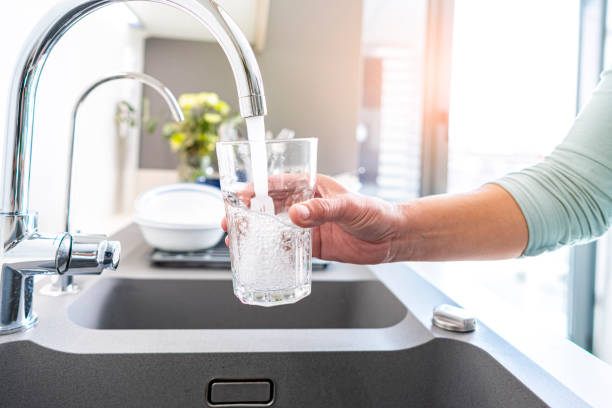
In-home reverse osmosis systems have gained popularity in recent years due to their effectiveness in improving water quality. These systems work by removing impurities and contaminants from the water supply, producing clean drinking water. However, the installation and maintenance of these systems can have an impact on plumbing fixtures in a home.
Understanding the Impact of Reverse Osmosis Systems on Plumbing Fixtures
When a reverse osmosis system is installed in a home, it can affect the water pressure and flow rate in the plumbing system. This is because the system uses a semipermeable membrane to filter the water, which can reduce the water pressure and flow rate. If not properly installed or maintained, the system can cause problems with the plumbing fixtures, such as low water pressure or frequent clogging.
Common Issues with Reverse Osmosis Systems and Plumbing Fixtures
Some common issues that can arise from the installation of a reverse osmosis system include:
- Reduced water pressure: The semipermeable membrane used in the system can reduce the water pressure, causing issues with the plumbing fixtures.
- Frequent clogging: The system can cause the pipes to clog more frequently, leading to issues with the plumbing fixtures.
- Increased maintenance: The system requires regular maintenance to ensure it is working properly, which can be time-consuming and expensive.
Preventing Issues with Reverse Osmosis Systems and Plumbing Fixtures
To prevent issues with the reverse osmosis system and plumbing fixtures, it is essential to properly install and maintain the system. This includes:
- Proper installation: The system should be installed by a professional who has experience with reverse osmosis systems.
- Regular maintenance: The system should be regularly maintained to ensure it is working properly.
- Monitoring: The system should be monitored regularly to detect any issues before they become major problems.
Discover Expert Strategies Here
Discover expert strategies for preventing issues with reverse osmosis systems and plumbing fixtures. Learn about our tailored solutions for improving water quality and reducing maintenance costs. Explore advanced guides and tips for installing and maintaining reverse osmosis systems.
Conclusion
In conclusion, in-home reverse osmosis systems can have an impact on plumbing fixtures in a home. However, with proper installation and maintenance, these issues can be prevented. It is essential to regularly monitor the system and address any issues before they become major problems. By following these tips, homeowners can enjoy the benefits of a reverse osmosis system while minimizing the risks to their plumbing fixtures.
Find out more about this approach and discover the benefits of a well-installed and maintained reverse osmosis system.
