
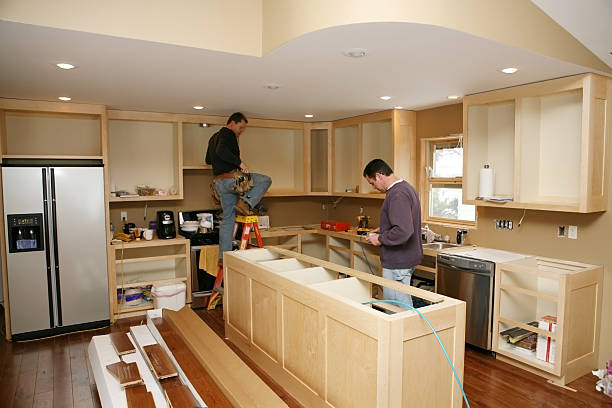
Chicago’s residential and commercial spaces are constantly evolving, and the demand for high-quality renovation services has never been higher. Homeowners and property managers alike seek expertise that blends modern design trends with the city’s historic architectural character. This article provides an overview of the key considerations, processes, and best practices that define a successful renovation project in the Windy City, offering readers a clear roadmap for planning, executing, and completing improvements that add lasting value.
Understanding Local Regulations and Permits
Before any demolition or construction begins, it is essential to navigate Chicago’s building codes, zoning ordinances, and permit requirements. Failure to secure the proper approvals can result in costly delays, fines, or even forced removal of completed work.
- Identify the required permits for structural, electrical, plumbing, and mechanical work.
- Consult the Chicago Department of Buildings for specific guidelines related to historic districts.
- Schedule inspections at each major phase to ensure compliance.
For a deeper dive into the permitting process, Read more about this topic.
Key Phases of a Renovation Project
1. Planning and Design
A thorough planning stage sets the tone for the entire project. This includes budgeting, selecting materials, and creating detailed drawings that reflect both functional needs and aesthetic goals.
- Develop a realistic budget that accounts for contingency funds (typically 10-15%).
- Choose durable, locally-sourced materials that complement Chicago’s climate.
- Work with designers who understand the balance between contemporary style and historic preservation.
For guidance on creating an effective project plan, Learn more in this detailed guide.
2. Demolition and Site Preparation
Safe demolition is more than just tearing down walls; it involves proper waste disposal, asbestos testing, and protecting adjacent structures.
- Conduct a hazardous material survey before demolition begins.
- Implement dust-control measures to comply with city health standards.
- Secure the site to prevent unauthorized access.
Additional safety considerations can be explored Explore further insights here.
3. Structural Work and Rough-In
During this stage, framing, plumbing, electrical, and HVAC systems are installed. Coordination among trades is critical to avoid re-work.
- Verify that all structural modifications meet the Chicago Building Code.
- Schedule rough-in inspections promptly to keep the timeline on track.
- Use energy-efficient fixtures to meet the city’s sustainability goals.
For more on integrating energy-efficient solutions, Find additional information here.
4. Finishing Touches
Finishing work includes drywall, painting, flooring, cabinetry, and final fixtures. Attention to detail at this stage greatly influences the perceived quality of the renovation.
- Select paint colors that enhance natural light in Chicago’s often narrow streets.
- Install flooring that can withstand temperature fluctuations.
- Incorporate smart-home technology for modern convenience.
Choosing the Right Professionals
Selecting skilled contractors, designers, and consultants is a decisive factor in project success. While the article does not reference specific firms, several criteria can help evaluate potential partners.
- Verify licensing and insurance specific to Illinois and Chicago.
- Review portfolios that demonstrate experience with both historic and contemporary projects.
- Ask for a detailed, written scope of work and schedule.
- Confirm that the team follows a transparent communication protocol.
For a checklist of qualifications, Read more about this topic.
Budget Management Tips
Renovation budgets can quickly expand if not closely monitored. Implementing systematic controls helps keep costs in line with expectations.
- Track expenses weekly using a simple spreadsheet or project-management software.
- Prioritize must-have items over nice-to-have upgrades.
- Negotiate bulk-purchase discounts for materials.
- Plan for a contingency fund to address unforeseen issues.
A practical budgeting guide is available at Learn more in this detailed guide.
Post-Renovation Considerations
After construction concludes, there are several steps to ensure the renovation remains functional and valuable over time.
- Conduct a final walkthrough with all contractors to confirm punch-list items are completed.
- Obtain all warranties, manuals, and as-built drawings for future reference.
- Schedule regular maintenance for HVAC, plumbing, and exterior elements.
- Consider a professional cleaning service to remove construction dust before occupancy.
For maintenance best practices, Explore further insights here.
Conclusion
Renovating a property in Chicago demands a blend of regulatory knowledge, meticulous planning, and collaboration with qualified professionals. By adhering to local codes, managing budgets wisely, and focusing on quality craftsmanship, homeowners and developers can achieve transformations that respect the city’s architectural heritage while embracing modern living standards. The outlined steps and resources provide a solid foundation for anyone embarking on a renovation journey in the Chicago area.
